 Canada
 USA
USA Japan
Japan





In today’s fast-paced world, food is more than just fuel — it’s our first medicine, our energy source, and a key to long-term well-being. With growing awareness about health, many people are turning toward organic foods. But is organic really better than conventional? What’s the difference? Is it worth the price?
Let’s break it down and help you make smarter, healthier choices every time you eat.
🥦 1. What Does “Organic” Really Mean?
Organic food is produced without the use of:
- Synthetic fertilizers
- Pesticides
- Genetically Modified Organisms (GMOs)
- Hormones and antibiotics (in animal products)
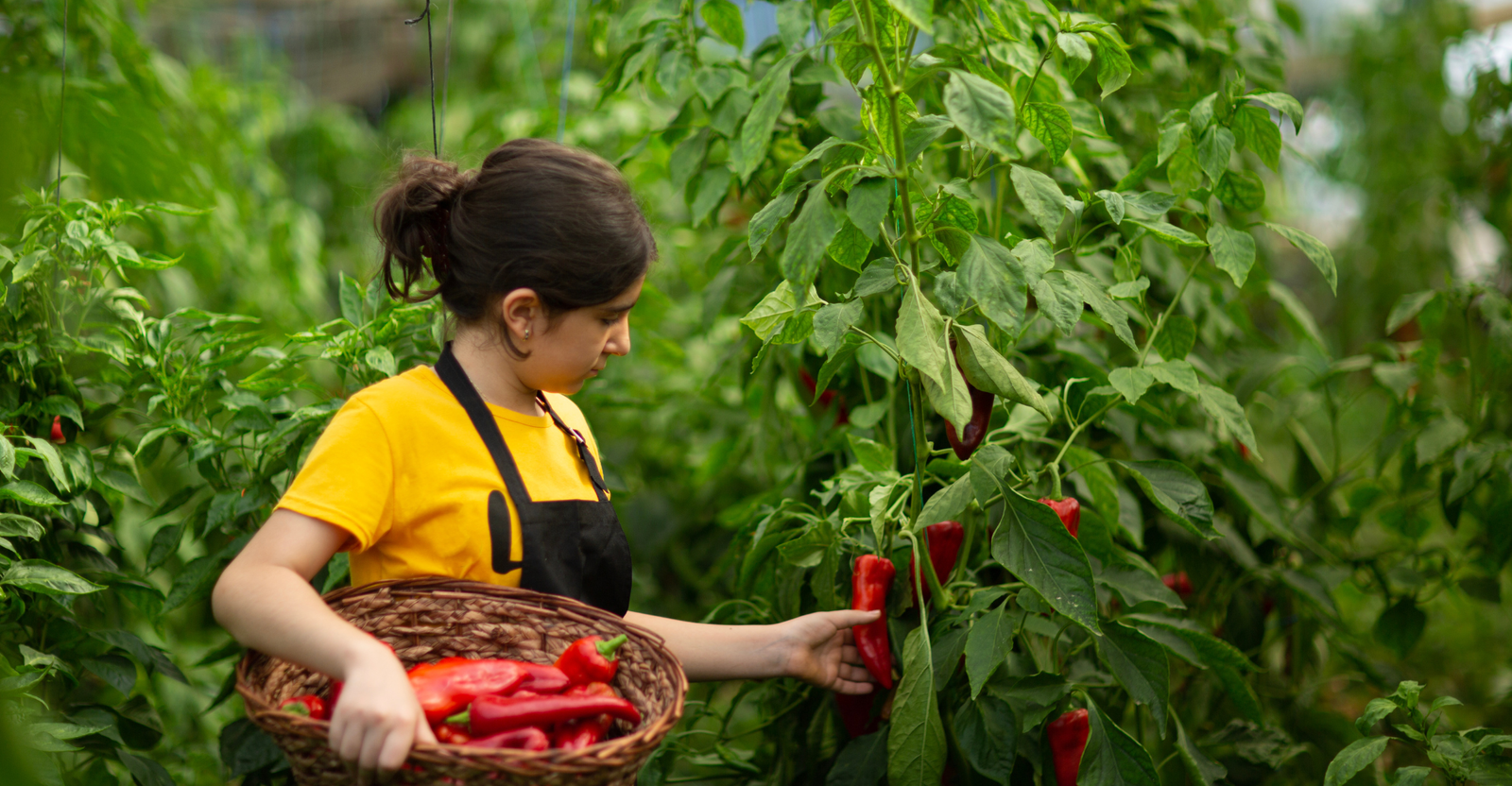
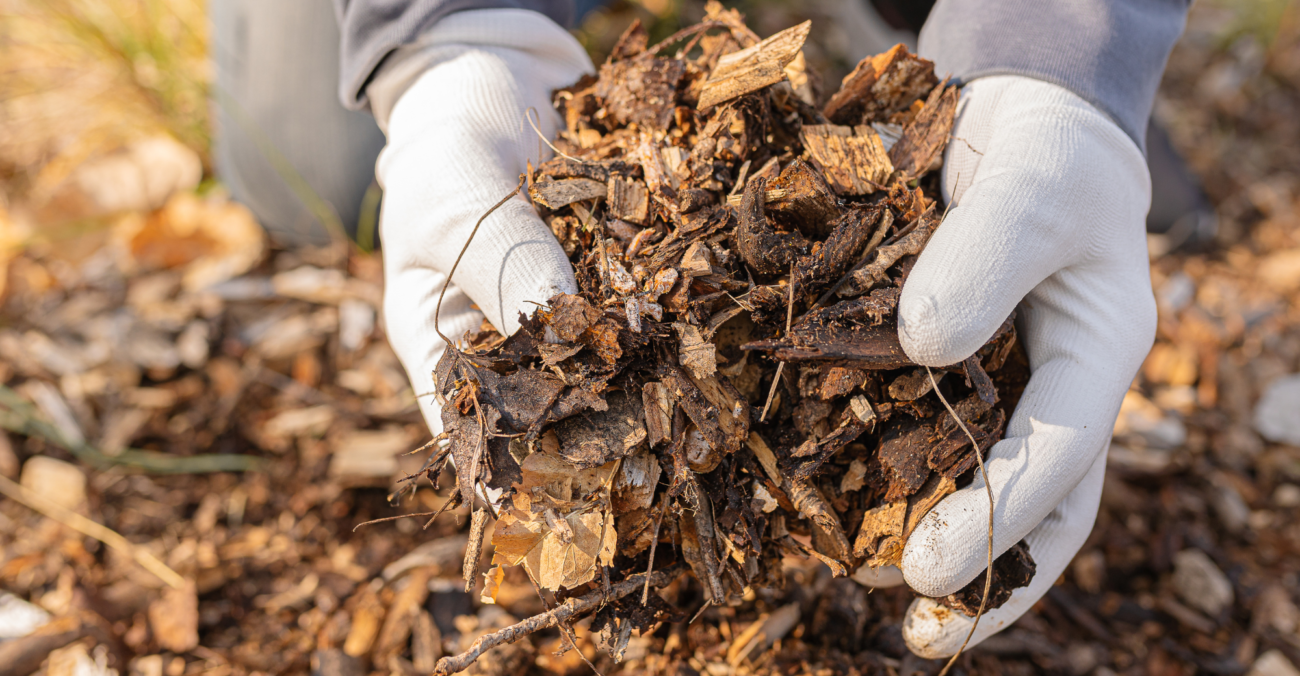
Instead, organic farming relies on natural methods like crop rotation, composting, and biological pest control, making it not just food-friendly but also earth-friendly.
✅ Organic = Clean, chemical-free, and naturally grown.
🌾 2. Conventional Farming: More Yield, Less Health?
Conventional foods are often:
- Treated with pesticides to prevent crop loss
- Grown using chemical fertilizers to increase yield
- Harvested using methods that prioritize volume over nutrition
While conventional farming helps produce food on a mass scale, studies show that long-term consumption of chemically treated foods can affect our hormones, immunity, and even lead to chronic conditions like obesity, diabetes, and cancer.
⚠️ Conventional food is often cheaper — but at what cost to your health?
🧪 3. Nutritional Differences: Is Organic More Nutritious?
Several studies suggest that organic food contains more antioxidants, vitamins, and minerals compared to conventionally grown food. Here’s why:
- Organic soil is richer in nutrients
- Crops grow slower and develop more flavor and nutrition
- Animals raised organically are not pumped with antibiotics, making their meat, eggs, and dairy cleaner
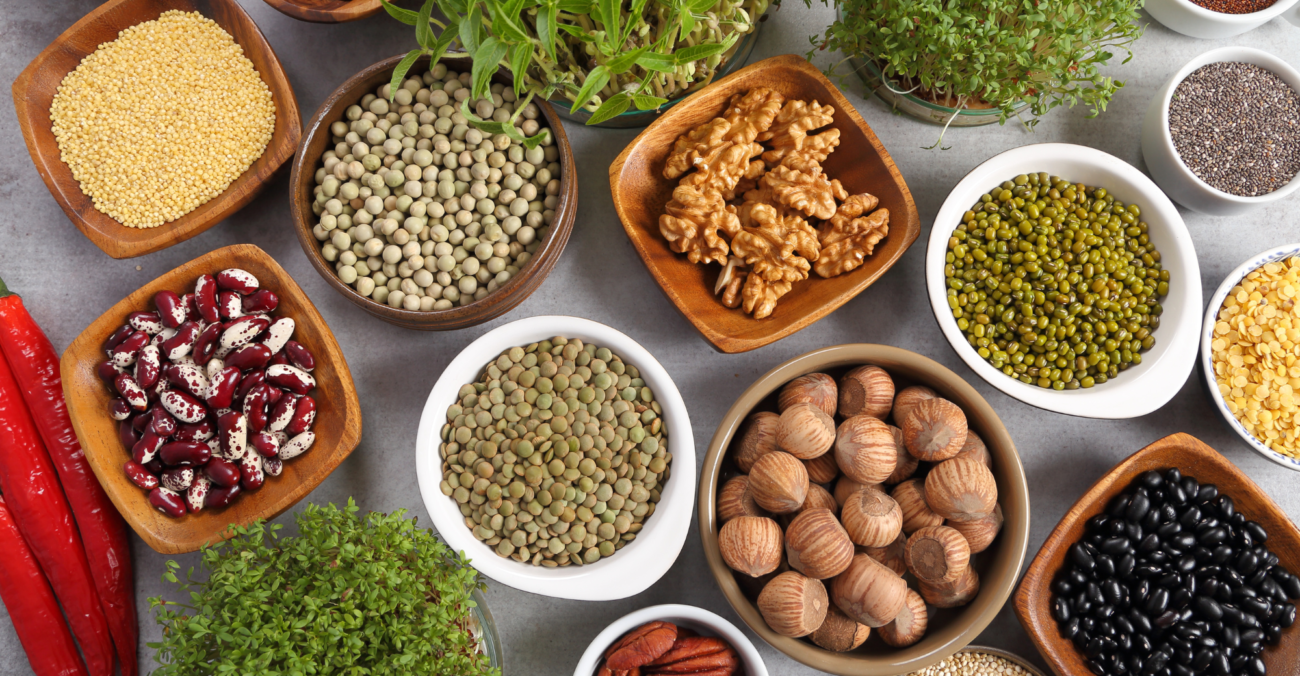
🥗 A bowl of organic salad isn’t just chemical-free — it’s nutrient-rich too.
💚 4. Health Benefits of Going Organic
- Fewer pesticides and toxic metals in your system
- Reduced antibiotic resistance
- Better heart health and immunity
- Fewer food allergies and sensitivities
- Cleaner digestion and improved gut health
🌱 Organic food supports your body’s natural rhythm and long-term health.
🌍 5. Organic for the Planet
Organic farming helps:
- Reduce pollution in water and soil
- Improve biodiversity and animal welfare
- Fight climate change by enhancing soil carbon storage
🌏 Choosing organic means choosing a healthier planet for future generations.
🛒 6. Is Organic Always Better? Things to Keep in Mind
- Look for certified organic labels (e.g., USDA, India Organic)
- Organic doesn’t always mean “healthy” — read labels carefully
- Wash all fruits and veggies (organic or not)
- Organic foods may cost more, but they reduce medical bills later
👨🌾 Final Thoughts: Your Health, Your Choice
In the end, the choice between organic and conventional is not just about food — it’s about your priorities. If you value long-term wellness, cleaner ingredients, and a healthier planet, organic is the better choice. Yes, it might be a little more expensive now, but your body — and the Earth — will thank you later.